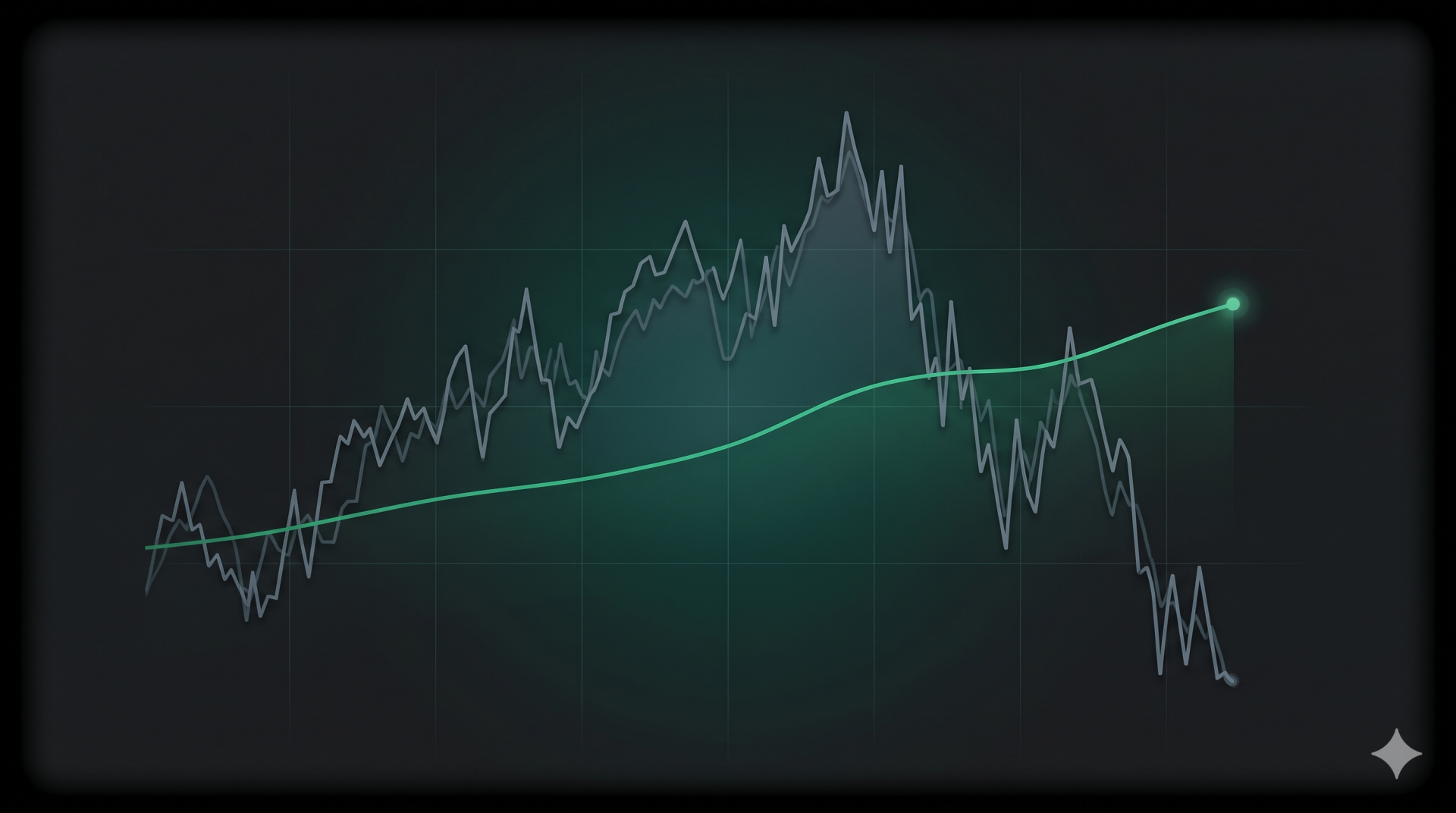
In March 2026, the S&P 500 and equity REITs fell in lockstep.
Similar movement, day by day, as the drawdown played out. For advisors who had positioned REITs as the real estate portion of their clients’ portfolios, that was an uncomfortable month to explain.
Private real estate didn’t show up in those conversations because it doesn’t price daily. No Bloomberg ticker. No intraday panic. The underlying assets moved to a different clock.
That difference is not a bug. It’s a feature.
A number you probably haven’t seen
Most advisors sense that private real estate moves differently from stocks and bonds. Few have seen it proven – measured across two independent datasets, with the methodology laid out and the appraisal-smoothing objection answered directly.
Carpathian Capital Management researched and built a correlation study using NFI-ODCE net returns across 40 quarters of public data, then cross-referenced it against TIAA’s independently published correlation matrix covering the same asset classes over the same period.
Two datasets from different sources, built on different methods, pointed to the same conclusion. The paper spells out what that conclusion is and what it means for a typical advisory portfolio.
Three things worth knowing before you read it
REITs are not private real estate, and the gap is wider than most models assume. If yours counts a REIT allocation as real estate exposure for diversification, the correlation data here is worth a look before your next client review.
The real story is volatility, not returns. Most pitches for private real estate open with performance; this one opens with standard deviation, because how steadily the asset class behaved across the study period is what actually helps in a client conversation.
Appraisal-based returns smooth valuations, and that can understate true correlation. It’s a fair objection, and the paper answers it by re-running the analysis with the smoothing taken out.
Download the full study
10 pages. Both correlation matrices. Full methodology and source documentation. Portfolio construction implications for a standard advisory practice.
Questions about the methodology or the underlying data? Contact us directly.